
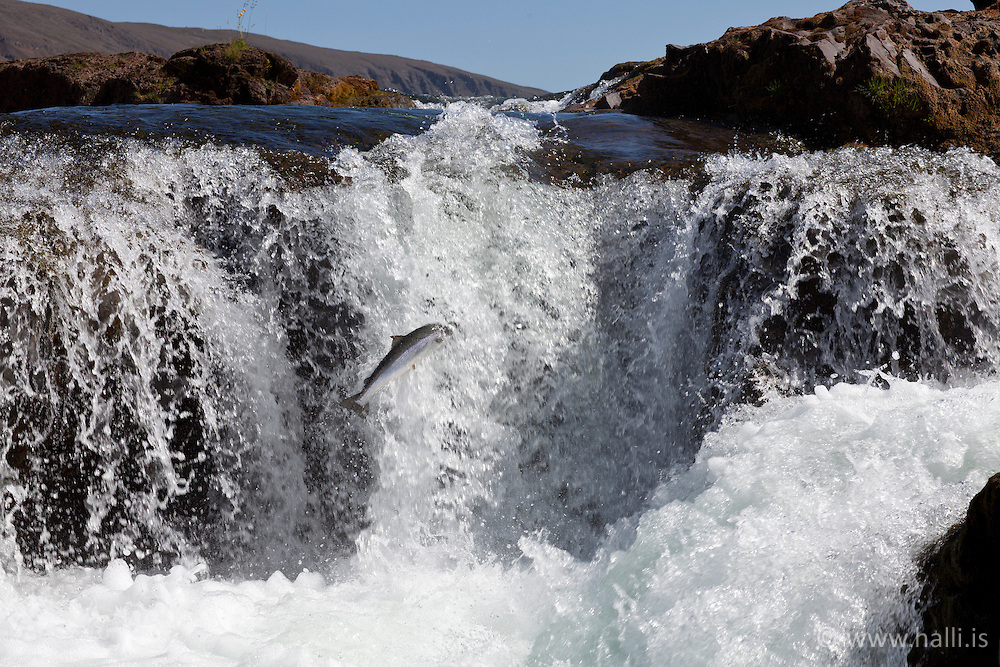
In 2024, Arev carried out a risk assessment for National Association of Hunting Clubs which calculates how much of the escaped salmon return to the rivers/fishing lakes. The model has now been significantly improved. In addition, an article has been written in English about the assessment.
Runaway
Escapes and escapes have always been a consequence of open-net sea farming. The two main causes of escapes are bad weather and work on the nets. The Arev model is a simulation model that simulates what happens when salmon escape from fish farms. Escape events are unexpected events, and the number of escaped salmon is also unexpected. It is crucial whether these events occur during a critical period, as there is a risk that escaped salmon will enter rivers and interbreed with wild salmon. It is also important whether a salmon escapes while it is a juvenile or a parr, or whether it is an adult. When a smaller salmon escapes, it needs to go out to sea for 1-3 years before it returns. An adult salmon, however, can go straight to rivers or lochs.
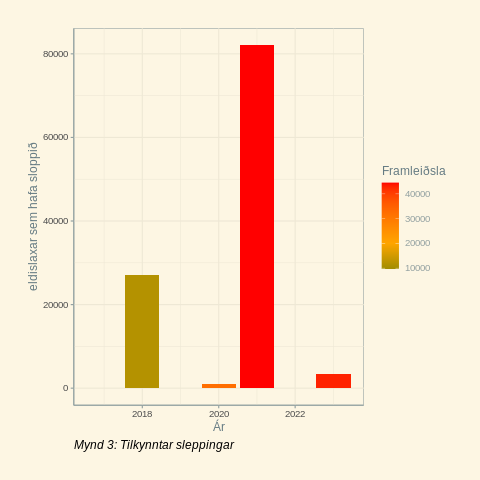
In Iceland, there have been three major storm surges since 2017. They are shown in the image below:
Kvígindisdalur
The 2018 column shows an escape event that occurred at Hringsdal in Arnarfjörður in February 2018, when a large salmon (with an average weight of about 7.5 kg) escaped. The number of escaped salmon is estimated to have been around 27,000 individuals (this was actually two events at the same time). In the summer of 2021, smaller salmon (with an average weight of around 850 g) escaped. The number of escaped salmon is estimated to have been around 80,000. In the summer of 2023, more than 3,500 escaped salmon from cages in Patreksfjörður (near Kvígindsdalur). The first release was mostly outside the danger period and close to the sea, but the latter two were within the danger period and further up the fjords. The fate of the salmon from the above escapes has been closely monitored, and whether they have returned to rivers/lakes.
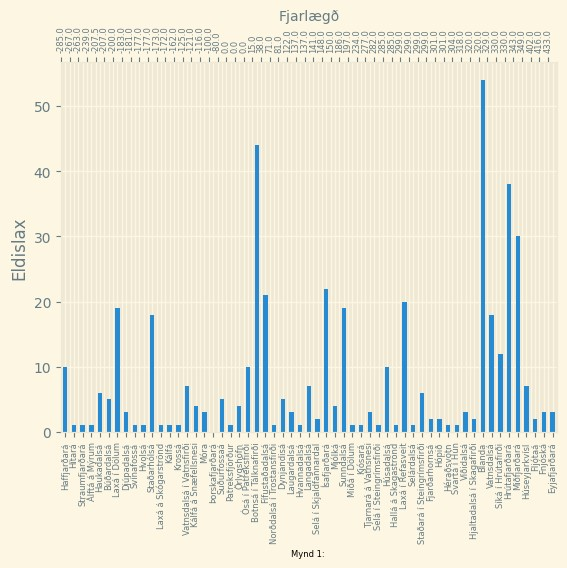
The image above shows the distribution of salmon in rivers and lochs from the 2023 release in Patreksfjörður, and is based on figures from the Landssamband veiðifélaga. Read more about this issue. here.
Simulation model
Experimental data and scientific results are used to estimate how much salmon return to rivers and lochs after being released. Arev uses machine learning to learn from past events to predict which rivers and lochs salmon will return to following release. A Poisson probability distribution is used to simulate the frequency and size of escape events.
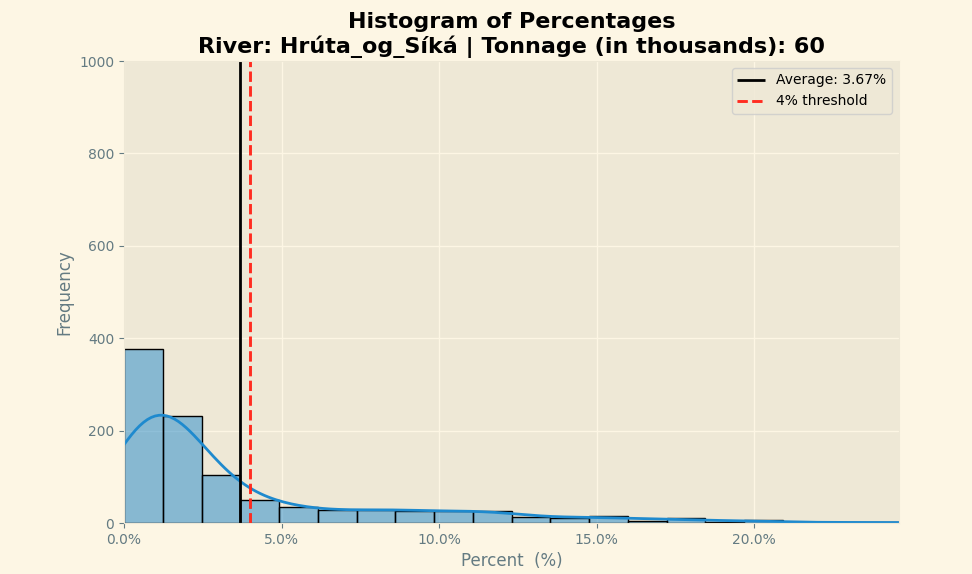
The the Marine and Freshwater Research Institute aims in the current risk assessment to ensure that the proportion of farmed salmon does not exceed 4% of the total salmon volume in rivers/fishing lakes. Here are the results of the Arev model, based on different maximum production levels in the Westfjords.
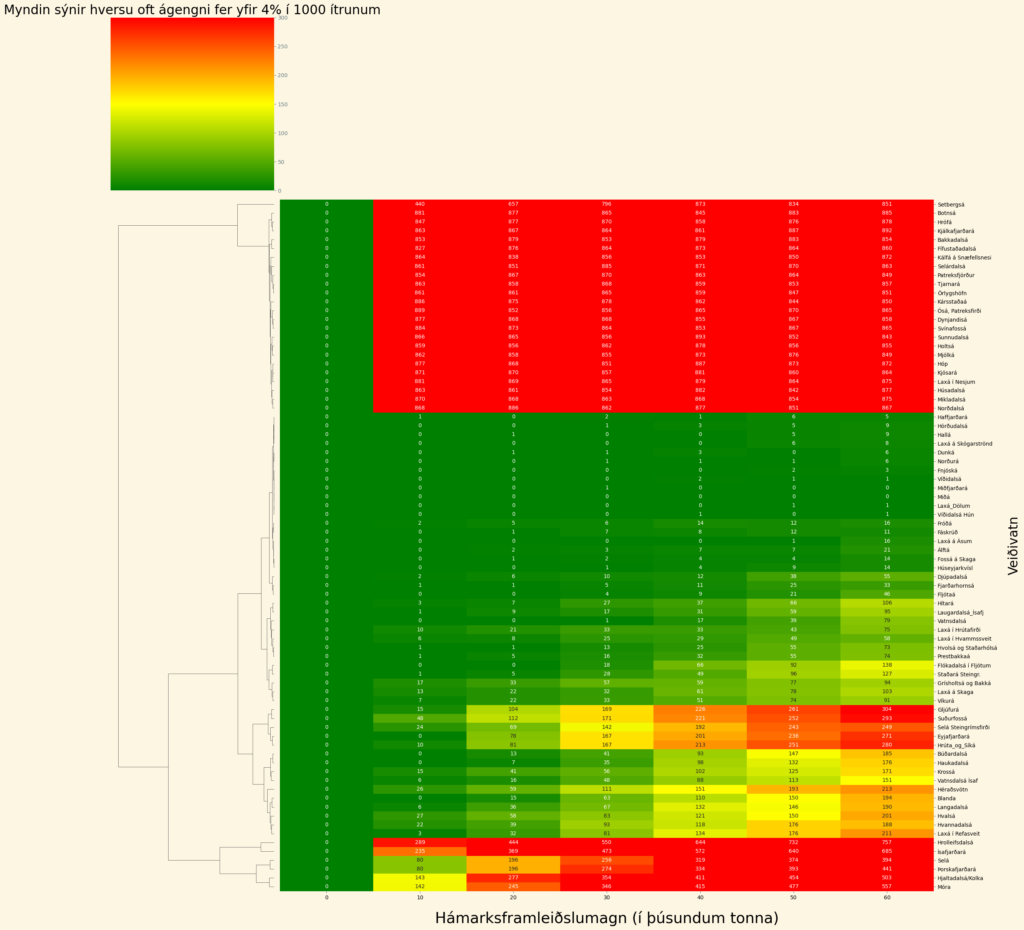
An article in English about the risk assessment can be read. here. The main figures used in the risk assessment can be found here. An example of a single one can be seen here:
The full results can be found here.